
Process, cavities, steel, components, ownership and maintenance are defined in the proposal.
Bottle mold development
Turn a bottle concept into a controlled mold program.
A fast tooling program begins with clear commercial and functional inputs. BottleMarkets helps buyers organize the design, volume, resin, closure interface, decoration and approval requirements before the mold proposal is finalized.
A reference starts feasibility; dimensions and interfaces are confirmed before tool release.
Buyer-approved dimensions, function and appearance release the production process.
The tool is planned around forecast output, component assembly and repeat production.
Factory route
Define the mold around production, not just appearance.
Cavity count, steel selection, molding process, expected life, interchangeable components and sampling plan affect both price and long-term production. They should be considered alongside the bottle geometry.
Engineering review
Evaluate wall transitions, draft, parting lines, neck details, decoration surfaces and filling constraints.
Tool build and sampling
Confirm commercial scope, build the agreed tool, produce first-off samples and record requested measurements.
Approval and production
Release an approved specification and sample before scheduling the first production run.
Reference product formats
View all products Use a real format to make the conversation specific.
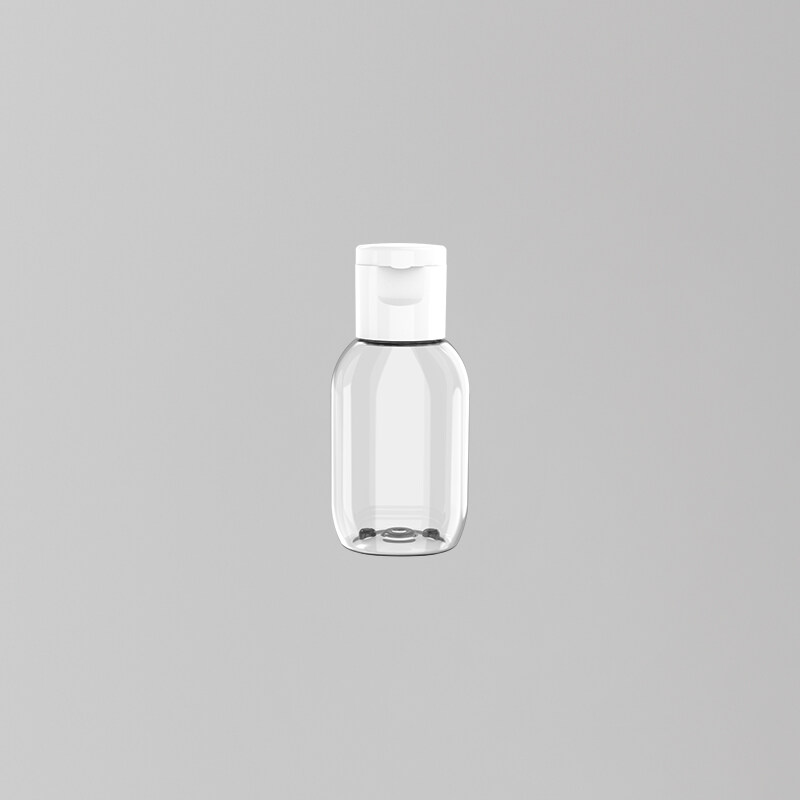
30 mL PET Lotion BottleReference format · Quote on requestBeauty & Skin Care · Factory ref. BM-853
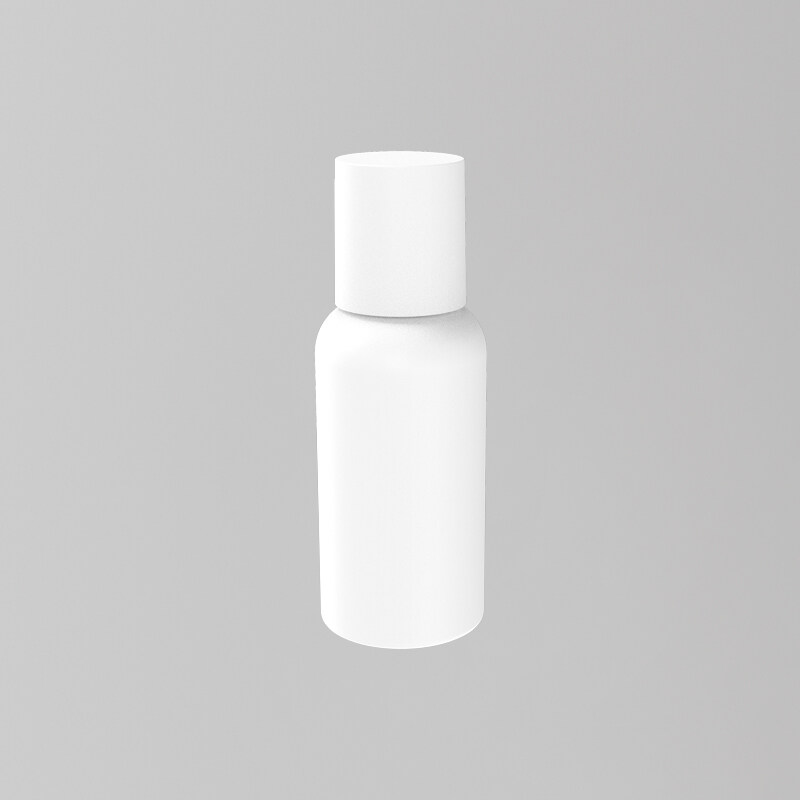
30 mL PET Liquid BottleReference format · Quote on requestBeauty & Skin Care · Factory ref. BM-945
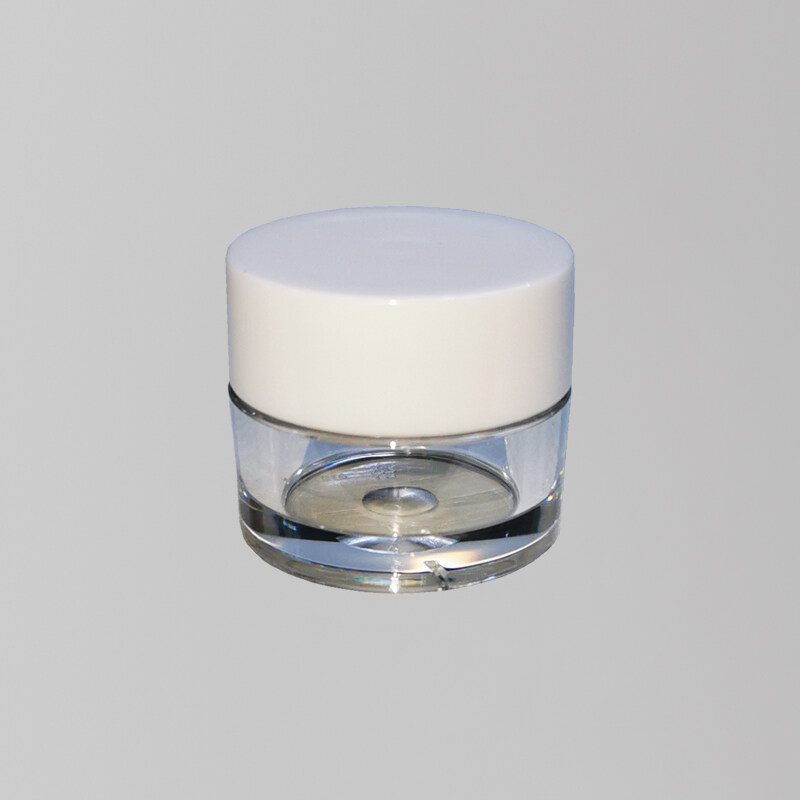
5 mL PET Cream JarReference format · Quote on requestBeauty & Skin Care · Factory ref. BM-1254
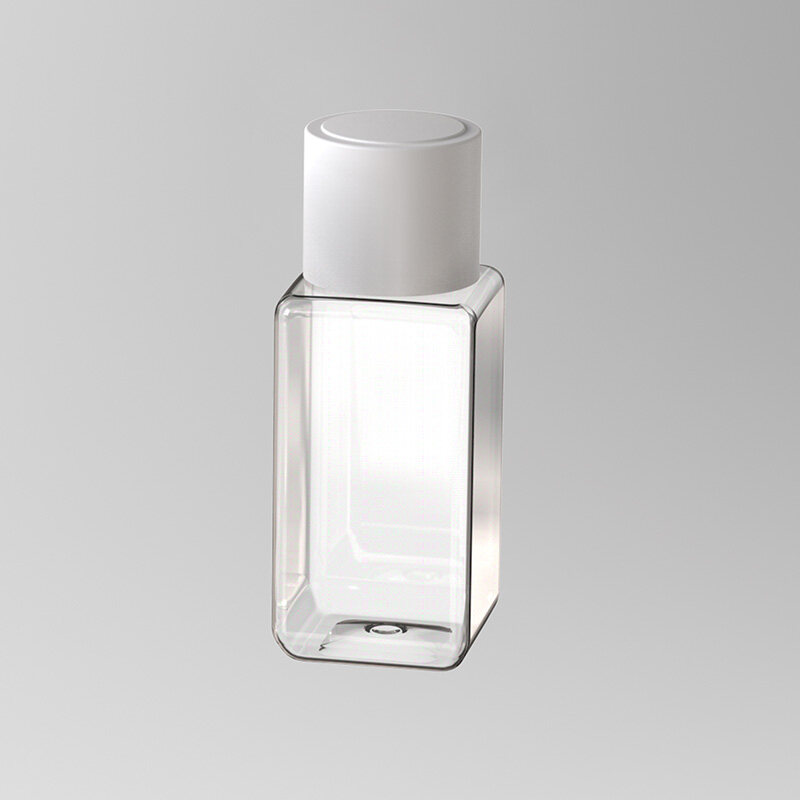
30 mL PET Serum BottleReference format · Quote on requestBeauty & Skin Care · Factory ref. BM-1266
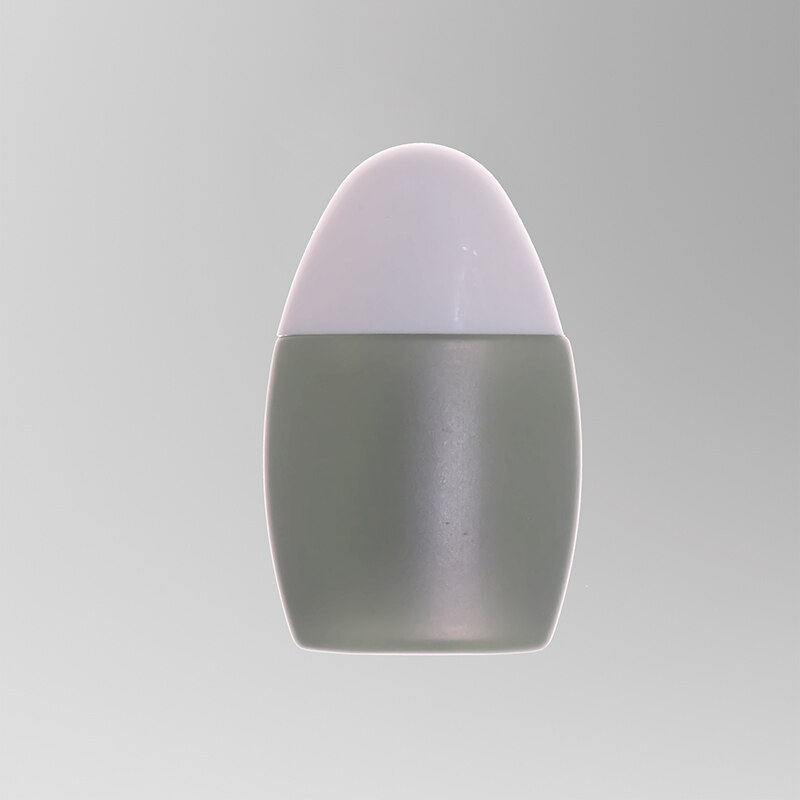
30 mL PP Sun Care BottleReference format · Quote on requestBeauty & Skin Care · Factory ref. BM-1543
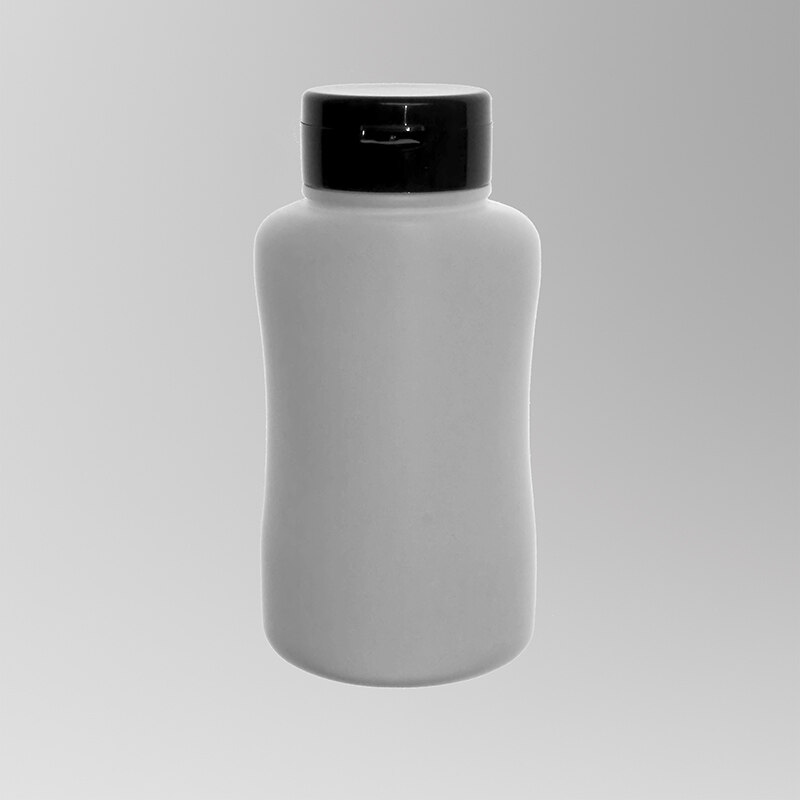
100 mL PP CompactReference format · Quote on requestHair & Body Care · Factory ref. BM-1519
Reference formats support product selection and factory review. Availability, specifications, minimum quantities, tooling, price and timing are confirmed for each project.
Application fit
Start with the package job, not only its appearance.
Blow-molded bottles
Custom bottle geometry for personal care, home care and industrial liquid applications.
Injection-molded components
Caps, shoulders, overcaps, jars and accessories that must fit the complete packaging system.
Multi-part assemblies
Programs that require several tools, decoration and controlled component assembly.
Commercial and technical control
Put ownership and change control in writing.
The tooling proposal should state who owns the mold, where it is stored, how maintenance is handled, what production site may use it, which samples release production and how engineering changes are approved.
Verify supplier rolesDFM and mold-flow inputs as required
CNC and EDM toolmaking resources
First-off sample coordination
Dimensional review plan
Mold storage and maintenance terms
Production release records
Buyer questions
What buyers ask before a factory quote.
Final specifications and commercial terms are always confirmed in writing for the individual project.
How long does a custom bottle mold take?
Timing depends on process, geometry, cavities, revisions and sample approval. A project schedule is issued after the design and tooling scope are reviewed.
Can you use my STEP or CAD file?
STEP and common engineering files can be submitted for review. The factory may recommend changes for molding, sealing, strength or decoration.
Is the first mold sample the final approval?
First-off samples begin the approval process. Dimensions, function, appearance, fit and any buyer-required tests should be reviewed before production release.
Can the same mold make several capacities?
Sometimes interchangeable inserts or related tools are practical, but feasibility depends on geometry and process. The engineering review determines the appropriate tool architecture.
Start a packaging project
Tell us what you need. We will build the quote.
Choose a reference bottle or send your own photo or drawing. We will review product fit, minimum order, sample options and the information needed for a factory quote.
Prefer email?
Attach one bottle photo and include the approximate quantity. We will identify the missing details before asking the factory to quote.
Email a bottle photo