
PCR plastic bottles for real packaging programs.
Set the recycled-content target, then qualify the bottle that must protect, dispense and represent the product.
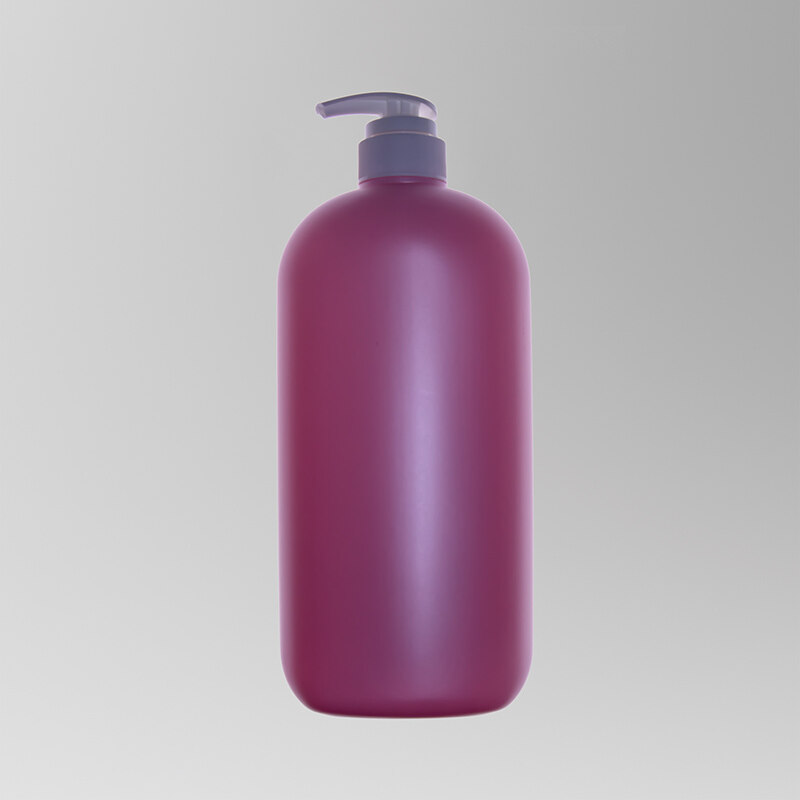
The decision in plain English.
PCR plastic bottles can reduce reliance on virgin resin, but recycled-content percentage is only one purchasing input. Buyers should define the resin and PCR target, acceptable color and appearance variation, formula-contact requirements, mechanical tests, documentation, annual volume and continuity plan before approving a production package.
Screen the PCR route before requesting samples
Availability and performance depend on the resin stream, percentage, bottle design and market requirements. Treat these as project questions rather than universal material claims.
| PCR route | Common buyer objective | Qualification focus |
|---|---|---|
| PCR PET bottle | Retain a clear or glossy shelf appearance where feasible | Color shift, haze, specks, odor, impact performance and formula compatibility |
| PCR HDPE bottle | Use recycled content in opaque, durable or squeezable formats | Color consistency, stiffness, squeeze recovery, environmental stress cracking and closure fit |
| PCR PP component | Evaluate recycled content in jars, caps or selected molded components | Dimensional stability, hinge or thread function, odor, color and product-contact requirements |
| Mixed virgin/PCR program | Balance appearance, performance, availability and recycled-content goals | Approved percentage, resin source controls, evidence and change-notification requirements |
Write the recycled-content target into the specification.
State whether the target applies to the bottle body, closure, pump or complete package, and whether it is measured by weight. Identify the required PCR percentage, resin, color, market and any customer or retailer program that controls the claim.
Ask what documentation will support the approved production material. The buyer remains responsible for final environmental claims and market compliance, so marketing language should follow the evidence rather than precede it.
PCR variation needs a realistic visual standard.
Recycled feedstock can introduce shifts in color, clarity, odor and visible specks. The acceptable range depends on resin source, percentage, colorant, bottle wall and decoration. A white, natural, amber or opaque package can have a different approval path from a high-clarity bottle.
Review representative production-intent samples under agreed lighting, then retain an approved standard. Decoration should be evaluated on the PCR bottle because print, coating and label appearance can differ from a virgin-resin reference.
Send the package you are trying to source.
Start with a photo, drawing or current component plus the approximate quantity. We will identify the missing specifications before factory pricing.
Validate the bottle, closure and formula together.
Define formula compatibility, leakage, drop, top-load, squeeze recovery, closure torque, transport and shelf-life tests around the intended product and distribution route. The required plan changes for a clear serum bottle, an HDPE shampoo bottle and an industrial liquid container.
Approve the exact resin grade or controlled material specification, bottle weight, color, neck, closure and decoration. A general PCR sample does not approve every percentage, source or package geometry.
Qualify supply consistency before the launch depends on it.
Share the first order, annual demand and release schedule so the supplier can review PCR availability and component minimums. Ask how material-source changes, color variation and substitutions are controlled and communicated.
Compare a PCR route with the closest virgin-resin baseline using the same bottle, closure, decoration, packing and shipping assumptions. This exposes the real commercial and validation differences without reducing the decision to a single unit price.
What to send for a PCR bottle review
A responsible feasibility review needs the sustainability target and the package requirements together.
- Bottle resin and target PCR percentage
- Capacity, geometry, color and appearance standard
- Formula category and product-contact requirements
- Closure, pump, sprayer or sealing system
- Required documents, tests and market claims
- First order, annual forecast, destination and launch date
Compare a package the factory can actually make.
BottleMarkets helps U.S. buyers organize the specification, coordinate samples and request production pricing from qualified manufacturing partners.