
PET vs HDPE vs PP plastic bottles.
Choose the resin from the product, dispensing system and commercial goal, not from appearance alone.
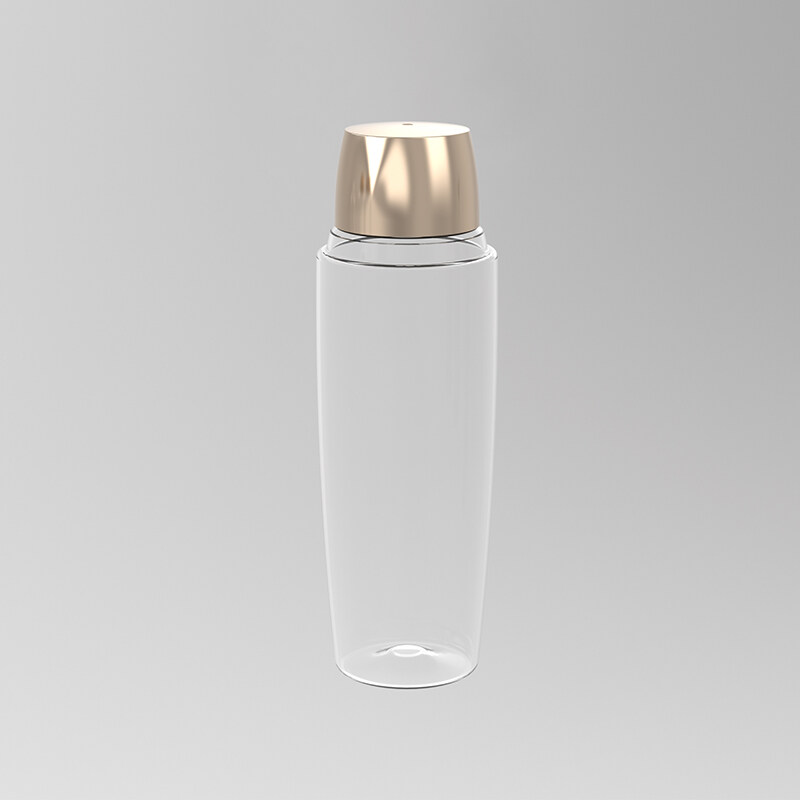
The decision in plain English.
PET is often selected when clarity and shelf appearance matter. HDPE is widely used for opaque, durable and sometimes squeezable packages. PP is common where stiffness, heat performance or a molded component system matters. None is automatically best: the formula, wall design, closure, filling line and distribution test must be reviewed together.
A practical first comparison
This table is a screening tool, not a compatibility approval. Resin grade, colorant, wall thickness and the complete package can change performance.
| Decision factor | PET | HDPE | PP |
|---|---|---|---|
| Typical appearance | High clarity and gloss are possible | Usually translucent or opaque | Translucent to opaque; clarity depends on grade and design |
| Package feel | Usually rigid with a crisp shelf presence | Can range from firm to squeezable | Usually firm and dimensionally stable |
| Common starting uses | Personal care, cosmetic and clear liquid bottles | Shampoo, lotion, household and chemical formats | Jars, closures, airless parts and selected bottle formats |
| Key buyer question | Will the formula and shipping environment preserve appearance and performance? | Does the package need squeeze recovery, opacity or chemical resistance? | Does the design require stiffness, heat performance or integrated molded parts? |
Material selection begins with what goes inside.
Tell the packaging supplier the product category, key ingredients, viscosity, fill temperature and expected shelf life. Essential oils, solvents, surfactants, alcohol, fragrance and other active ingredients can affect plastics, colorants, liners and dispensing components differently.
A resin name alone is not a compatibility result. The production-grade bottle, closure, liner or plug, gasket and formula should be evaluated as a complete system under conditions that reflect filling, storage and shipping.
Rigidity and dispensing can matter more than clarity.
A squeeze bottle needs controlled deformation and recovery. A pump bottle needs a neck and shoulder that remain stable during capping and use. A premium cosmetic package may prioritize clarity, weight and decoration. These goals can point to different resins even at the same capacity.
Specify whether the package will use a screw cap, disc top, flip top, lotion pump, fine-mist sprayer, dropper or another component. Dip-tube length, closure torque, venting and seal geometry must be confirmed with the selected bottle.
Send the package you are trying to source.
Start with a photo, drawing or current component plus the approximate quantity. We will identify the missing specifications before factory pricing.
Check existing molds before funding a new package.
An existing factory format can shorten development because the bottle geometry and mold route already exist. Buyers can still differentiate it through resin, molded color, decoration and a compatible closure. A proprietary profile may justify custom tooling when volume, function or brand value supports the investment.
Ask the supplier to compare the closest existing format with a custom alternative. The comparison should identify tooling, samples, unit cost, minimum run, decoration and schedule on the same delivery basis.
Use representative samples and a written specification.
Approve the exact resin grade, color, bottle weight, neck, closure and decoration rather than a visually similar sample. Confirm the drawing revision and the acceptable appearance and dimensional criteria before production release.
The brand or filler should define the required compatibility, leakage, drop, shipping and line trials. A packaging factory can provide samples and manufacturing data, but the filled-product owner must approve the package for its intended use.
What to send for a material recommendation
A useful recommendation needs more than a bottle photo.
- Product category, viscosity and relevant formula concerns
- Target capacity, package shape and desired clarity or opacity
- Closure or dispensing system and filling-line constraints
- Annual quantity, order pattern and target launch date
- Destination ZIP code and required shipping condition
- Reference sample, drawing or product image when available
Compare a package the factory can actually make.
BottleMarkets helps U.S. buyers organize the specification, coordinate samples and request production pricing from qualified manufacturing partners.