
Plastic bottle neck finishes and closure fit.
A matching neck-finish name narrows the search, but it does not prove that a cap, pump or sprayer will seal and perform correctly.
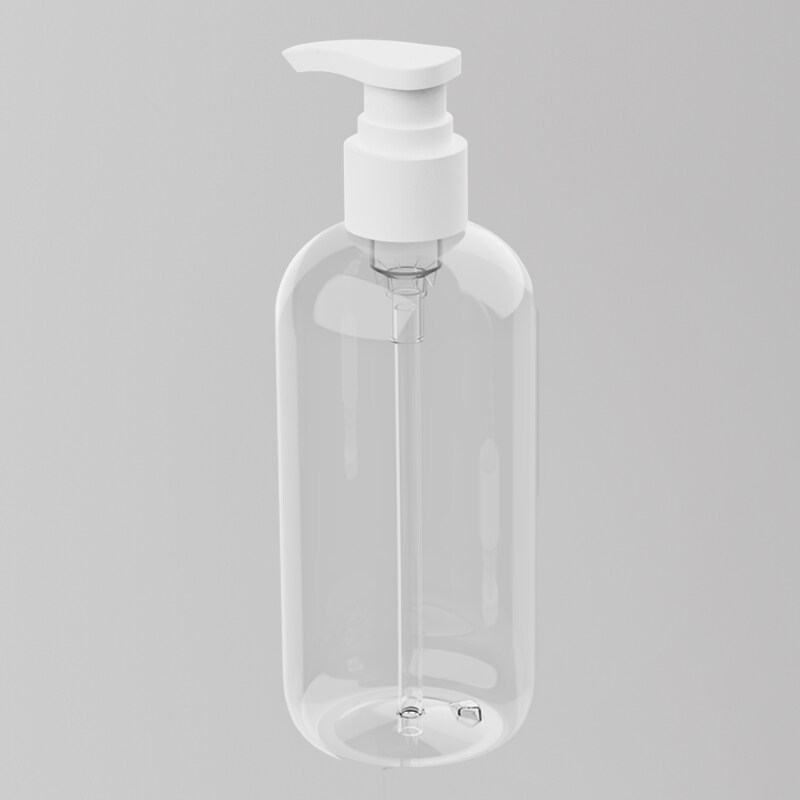
The decision in plain English.
Treat the bottle and closure as one engineered assembly. Confirm the neck drawing, thread engagement, sealing surface, liner or plug, dip-tube length, actuator output and capping conditions. Then test production-representative components with the actual formula and distribution method.
What must match beyond the neck designation
A nominal neck finish is only one input. The physical parts and their tolerances determine the final fit.
| Interface | What to confirm | Why it matters |
|---|---|---|
| Threads and height | Neck drawing, thread starts, engagement and closure skirt clearance | A closure can appear to fit while seating too early or too late |
| Primary seal | Land seal, liner, plug, gasket or valve geometry | The seal must remain effective with the formula and expected torque |
| Dispensing system | Pump or sprayer output, venting, dip-tube length and cut | Performance depends on product viscosity, bottle depth and use orientation |
| Capping process | Application torque, equipment, line speed and retorque needs | Production conditions can change seal consistency and component damage risk |
Do not buy from a short label alone.
Industry neck designations are useful for organizing components, but suppliers can have different geometry and tolerances within a general family. Request the controlled neck drawing or an approved bottle-and-closure combination before placing a production order.
The drawing should identify critical diameters, thread geometry, neck height and sealing surfaces. A physical sample is valuable when replacing an existing component because the supplier can compare the actual mating parts rather than infer fit from a catalog title.
The closure must seal in the intended way.
A cap may use a liner, a molded plug, a land seal, a gasket or another interface. Pumps and sprayers add valves, gaskets and internal product-contact materials. Specify whether tamper evidence, induction sealing or another secondary feature is required.
Formula exposure can change swelling, compression and friction. Test the complete filled package over the required storage period and orientation rather than approving an empty package solely by hand feel.
Send the package you are trying to source.
Start with a photo, drawing or current component plus the approximate quantity. We will identify the missing specifications before factory pricing.
Output and dip-tube details belong in the quote.
For pumps and sprayers, define the desired output, spray pattern or dose, lock style, actuator, overcap and color. The tube must reach the correct depth without blocking flow against the bottle floor, and its cut should suit the product and package geometry.
Powders and high-viscosity products need special attention. Particle size, moisture behavior, clogging risk and the customer's use pattern can determine whether a stock dispensing system is appropriate or requires testing and modification.
A lab fit is not the final production approval.
Confirm capper type, chuck or spindle contact, application torque, line speed and any induction-seal equipment with the contract manufacturer. Decoration and bottle handling can also influence line performance.
Record the approved bottle, closure, liner or pump, supplier part numbers, drawing revisions, color standards and test results. That controlled assembly becomes the basis for repeat orders and second-source comparisons.
What to send for a closure-fit review
Provide the complete package context so the supplier can check more than the thread name.
- Bottle and closure drawings, part numbers or physical samples
- Formula category, viscosity and relevant chemical concerns
- Required seal, liner, plug or tamper-evident feature
- Pump or sprayer output and dip-tube requirement
- Filling and capping equipment information
- Annual demand, color, decoration and destination
Compare a package the factory can actually make.
BottleMarkets helps U.S. buyers organize the specification, coordinate samples and request production pricing from qualified manufacturing partners.